
xP&A


Transform Planning with xP&A – Unified, Collaborative, and Agile Solutions
Unified Planning – Integrate financial and operational data for comprehensive, data-driven planning and decision-making.
Planning Flexibility – We will meet you where you are in your xP&A journey so you can use your BI tool of choice or use a dedicated planning solution.
Agile Forecasting – Adapt quickly to unexpected market changes with accurate, real-time forecasting and scenario modeling using the most up-to-date data.


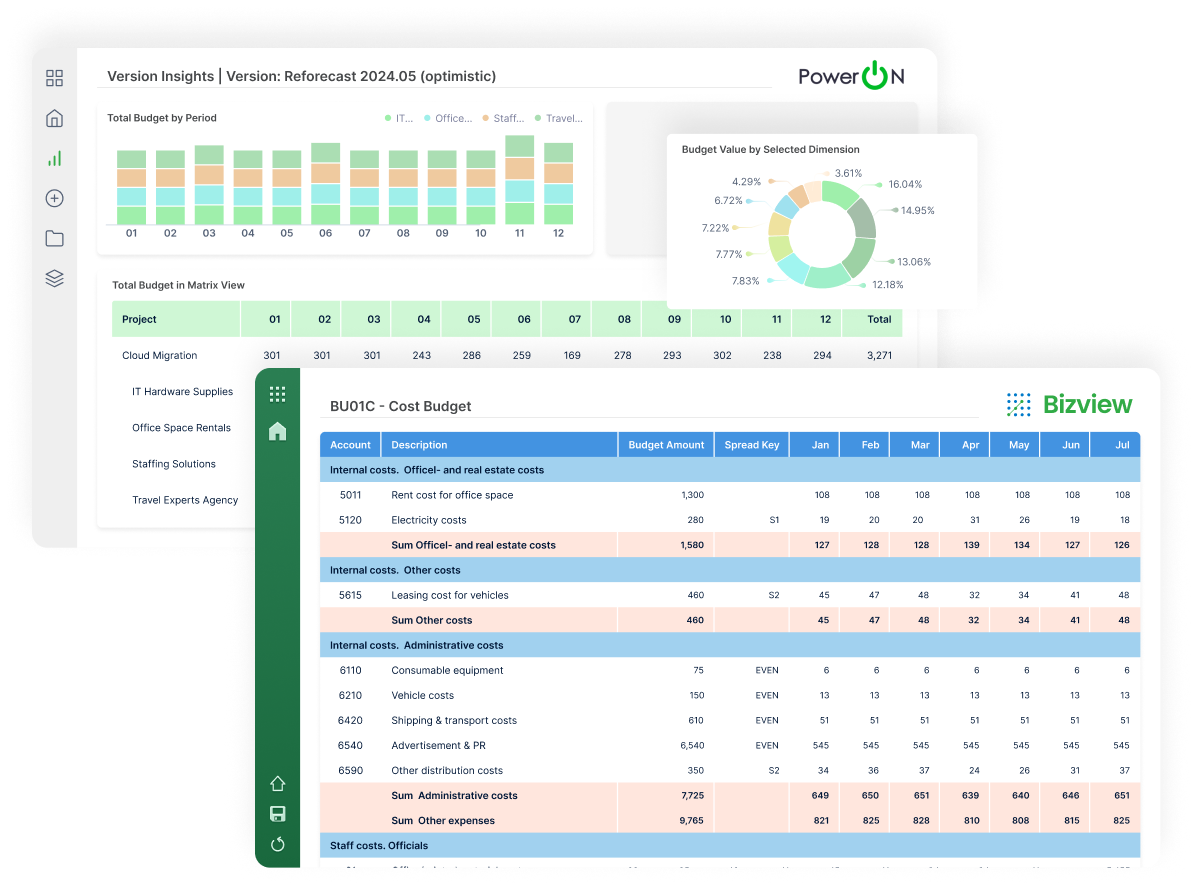
Products
Enable Planning Success with Advanced xP&A Solutions
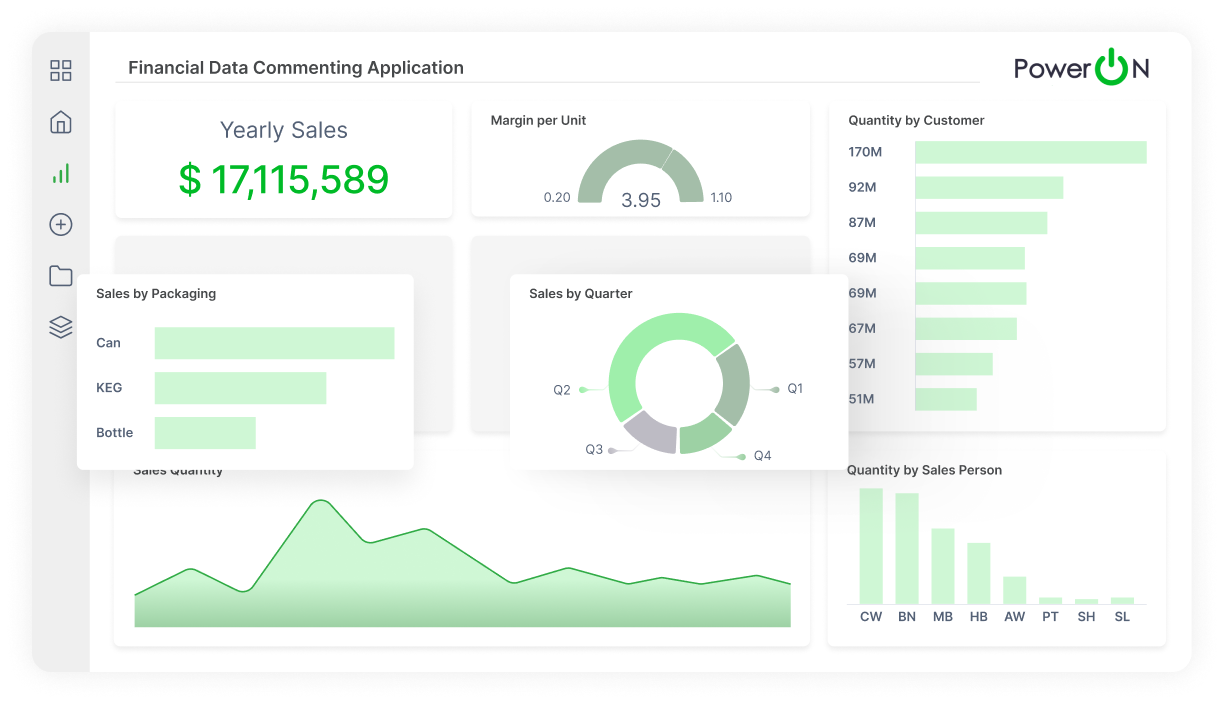
Planning and BI
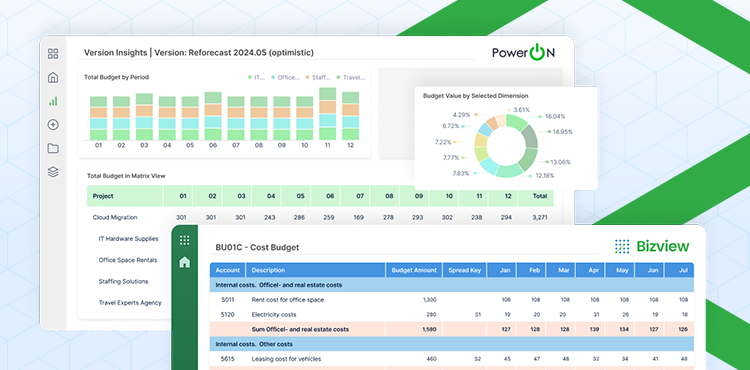
Power ON supercharges Power BI with Excel-like functionality, write-back, and a complete budgeting and planning solution that breaks down silos.
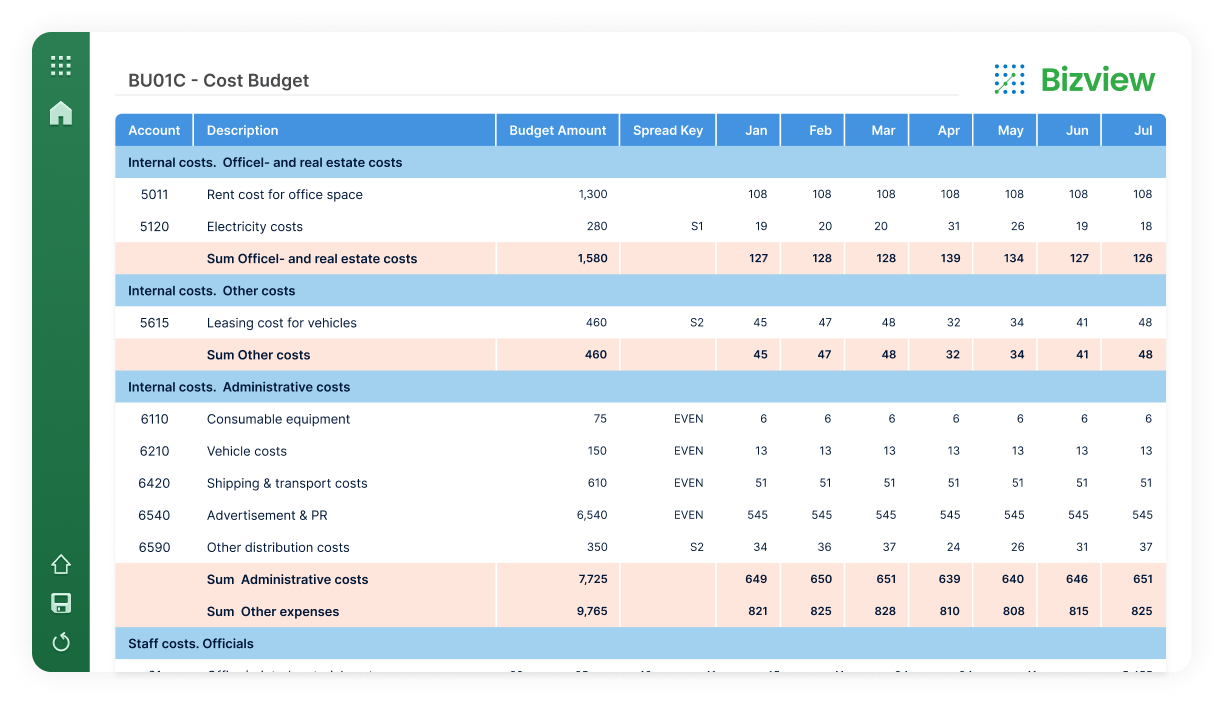
Web-based budgeting, planning & forecasting
Budgeting & Planning: Bizview is an integrated and scalable web-based budgeting, planning, and forecasting solution.
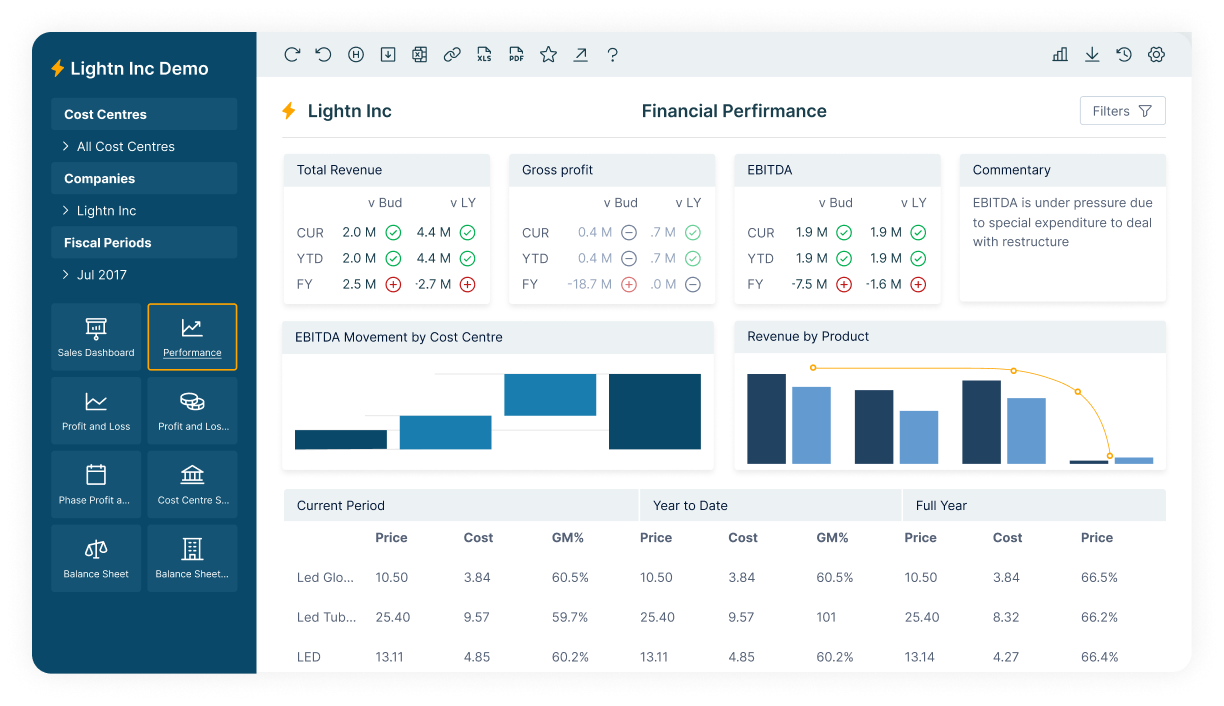
Automated planning, budgeting & reporting for ANZ
Calumo is an automated reporting, planning, and budgeting to enhance performance management with extended planning and analysis.
Overcome Planning Challenges with xP&A

Slow, Cumbersome Planning Processes
Traditional FP&A planning methods are slow and error-prone. An xP&A solution automates the collection and integration of financial and operational data from across the organization, eliminating data silos, significantly shortening planning cycles, and improving accuracy.
Poor Planning Participation Across the Organization
Securing active participation from front-line workers can be challenging because data resides in disconnected systems, and data input is often a tedious manual process. When integrating data entry within the BI tools workers already use, it’s much easier to drive participation and improve planning accuracy and decision-making.

Rigid Processes Limit Planning Flexibility
Rigid and slow manual planning processes hinder scenario modeling. Our xP&A solutions offers fast, powerful tools for what-if analysis and rolling forecasts using driver-based models, enabling businesses to build flexibility into the planning process so that they can adapt quickly to unexpected market changes.
How XP&A Enhances Your Business Performance
Accurate Sales Predictions
for Better Forecasts
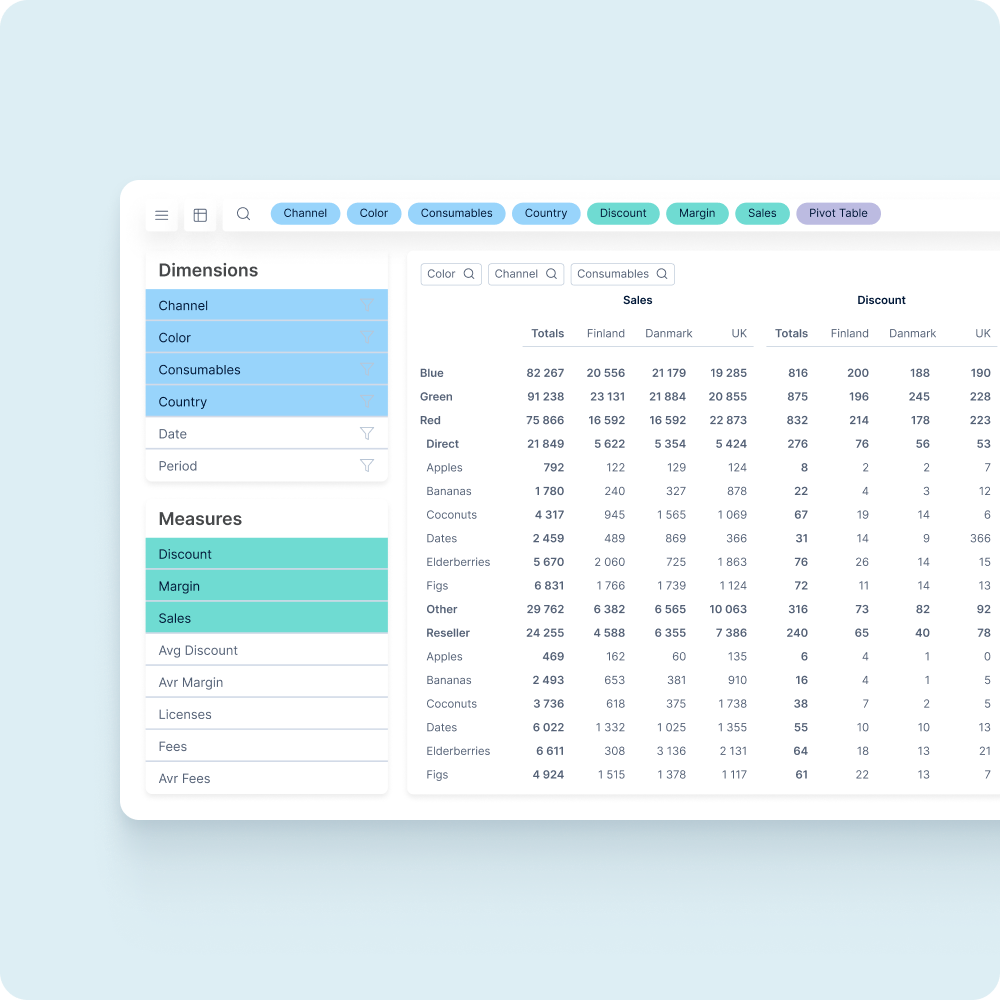
Integrate sales metrics with financial data to create precise sales forecasts. This extended planning approach helps businesses anticipate demand accurately, allocate resources efficiently and set realistic sales targets. By aligning sales and financial data, companies can identify trends, proactively adjust strategies, and optimize inventory levels. This integration ultimately drives revenue growth, enhances operational efficiency, and supports better decision-making. Additionally, it enables businesses to respond swiftly to market changes, improve customer satisfaction, and maintain a competitive edge.
Streamlined Budgeting for Financial Control
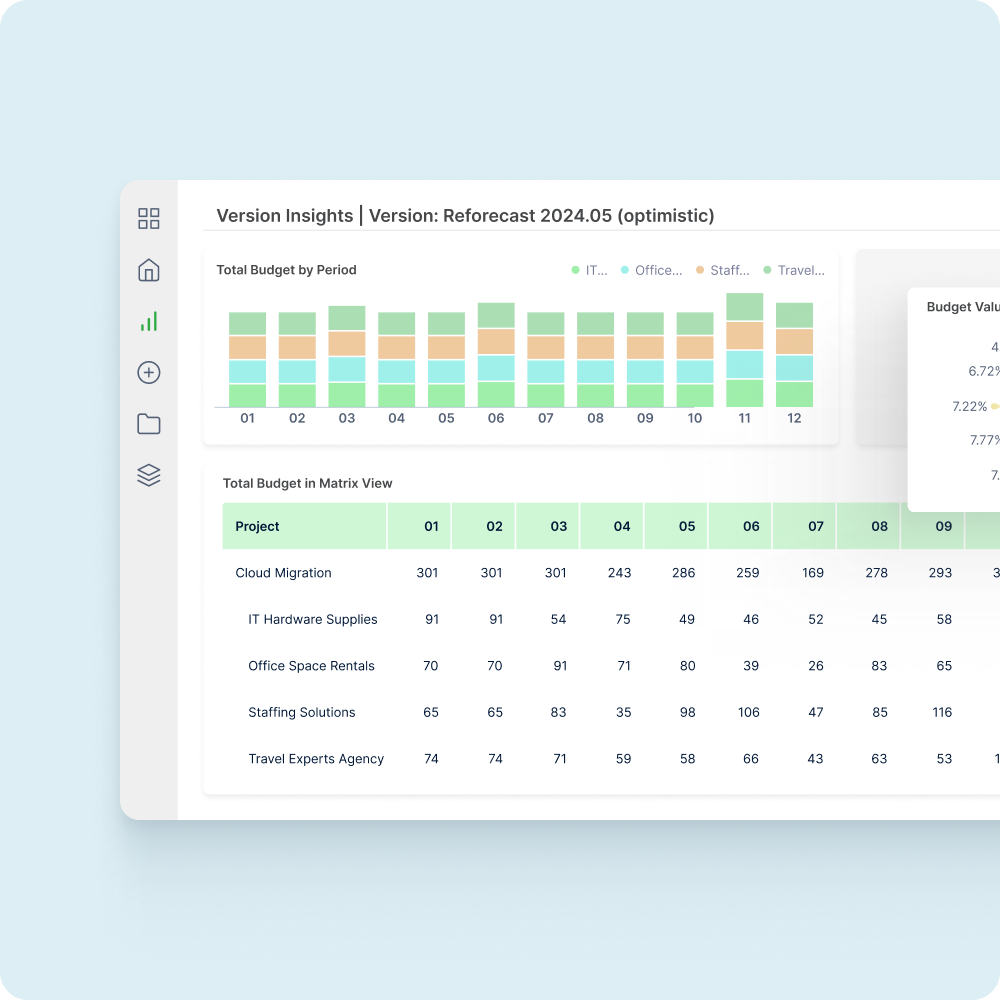
Automate and integrate budgeting processes across departments to ensure consistency and accuracy. This approach significantly reduces manual errors and provides a real-time unified view of the organization’s financial health. By streamlining these processes, businesses can enhance financial control, improve transparency, and facilitate strategic decision-making. Additionally, automation frees up valuable time for decision-makers to focus on more critical tasks, fosters collaboration between departments, and supports the alignment of financial goals with overall business objectives, ultimately driving efficiency and growth.
Dynamic Scenario Planning for Agility
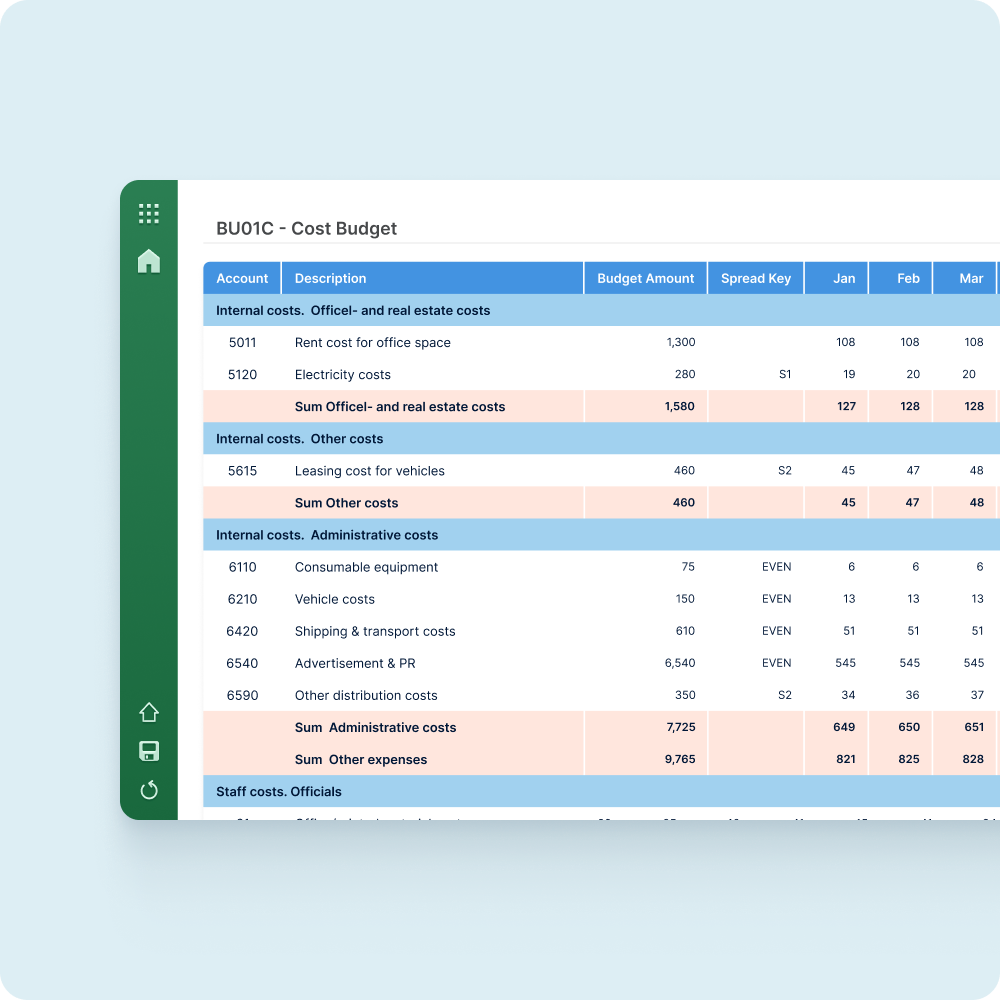
Utilize powerful scenario modeling tools to comprehensively test various business scenarios. This approach allows companies to assess potential risks and opportunities with greater accuracy, make informed decisions, and quickly adapt to market changes. By simulating different scenarios, businesses can identify the best strategies to pursue, optimize resource allocation, and enhance their resilience. This proactive planning ensures long-term success, supports sustainable growth, and helps maintain a competitive edge in a dynamic market environment. Ultimately, scenario modeling fosters better preparedness and strategic agility.
Transform Planning with xP&A and Power BI
Integrate extended planning and analysis (xP&A) with Power BI for streamlined data consolidation, real-time updates, and enhanced decision-making. Discover how xP&A for Power BI can drive agility and accuracy in your planning processes.
Webinars & Resources
Take a look at our upcoming and on-demand webinars packed with handy tips, best practices, and insights, brought to you by insightsoftware’s product and solutions experts.

Blog
What is xP&A: A Look at the Evolution of Financial Planning
In the quest for financial and operational agility, business leaders are moving beyond financial planning and analysis into extended planning…
Read More
Frequently Asked Questions
What is xP&A?
- Data-Driven Insights: Leverages diverse data sources to guide and enhance decision-making.
- Continuous Planning: Facilitates real-time plan adjustments, adapting swiftly to market changes.
- Improved Agility: Empowers organizations to tackle challenges and seize opportunities promptly.
- Enhanced Decision-Making: Offers a comprehensive business overview, aiding in strategic and informed choices.
How does xP&A differ from traditional FP&A?
- Focus: Centers on financial metrics and reporting.
- Scope: Primarily finance department focused.
- Data: Utilizes mainly financial data.
- Frequency: Involves periodic planning and reporting cycles.
- Collaboration: Limited to interactions between finance and senior management.
- Focus: Encompasses both financial and operational performance metrics.
- Scope: Engages the entire organization in planning and analysis.
- Data: Incorporates financial and operational data from diverse sources.
- Frequency: Supports continuous planning and real-time adjustments.
- Collaboration: Encourages cross-functional teamwork throughout the planning process.
What are the key benefits of using xP&A?
Which industries can benefit from xP&A?
How does xP&A improve collaboration within an organization?
Can xP&A integrate with existing BI tools?
What are some common use cases for xP&A?
- Enhanced Forecasting: Boosts the precision and reliability of financial forecasts.
- Scenario Planning: Assesses different business scenarios and their financial impacts.
- Driver-Based Planning: Identifies key performance indicators (KPIs) and their effects on financial outcomes.
- Demand Planning: Optimizes inventory and production schedules in line with demand forecasts.
- Supply Chain Management: Elevates supply chain visibility and responsiveness.
- Price Optimization: Develops pricing strategies that maximize revenue potential.
- Customer Segmentation: Pinpoints target customer segments for impactful marketing campaigns.
- Marketing ROI Analysis: Evaluates the return on investment for marketing efforts.
- Customer Lifetime Value (CLTV) Analysis: Determines the long-term value of customers.
- Talent Acquisition: Identifies staffing needs and crafts effective recruitment strategies.
- Succession Planning: Recognizes and nurtures high-potential employees.
- Performance Management: Aligns employee performance with organizational goals.
- Risk Identification: Detects potential risks and their business impacts.
- Risk Assessment: Analyzes the likelihood and severity of risks.
- Risk Mitigation: Formulates strategies to minimize or manage risks.
How does xP&A enhance forecasting accuracy?
What is the implementation process for xP&A solutions?
How does xP&A support agile planning?
- Finance: A retail company utilizes xP&A to swiftly adjust its financial forecasts in response to sudden market trends. By integrating real-time sales data and external economic indicators, the finance team can quickly recalibrate budget allocations, ensuring resources are optimized for emerging opportunities.
- Operations: A manufacturing firm experiences supply chain disruptions. With xP&A, the operations team can rapidly analyze production data alongside supplier information, allowing them to re-route logistics, adjust production schedules, and mitigate potential delays, maintaining operational efficiency.
- Marketing: During a product launch, a tech company leverages xP&A to monitor customer engagement and feedback in real-time. By analyzing this data, the marketing team can promptly tweak campaign strategies, target specific customer segments more effectively, and enhance the overall impact of their marketing efforts.
- Supply Chain: An FMCG company faces fluctuating raw material costs. Through xP&A, the supply chain team gains visibility into cost trends and demand forecasts, enabling them to make agile decisions on sourcing strategies, negotiate better terms with suppliers, and manage inventory levels efficiently.