
Are You Asking the Right Predictive Questions?

Simba helps builders embed trusted intelligence into every product, so they can deliver consistent, trusted answers in a world running on AI.

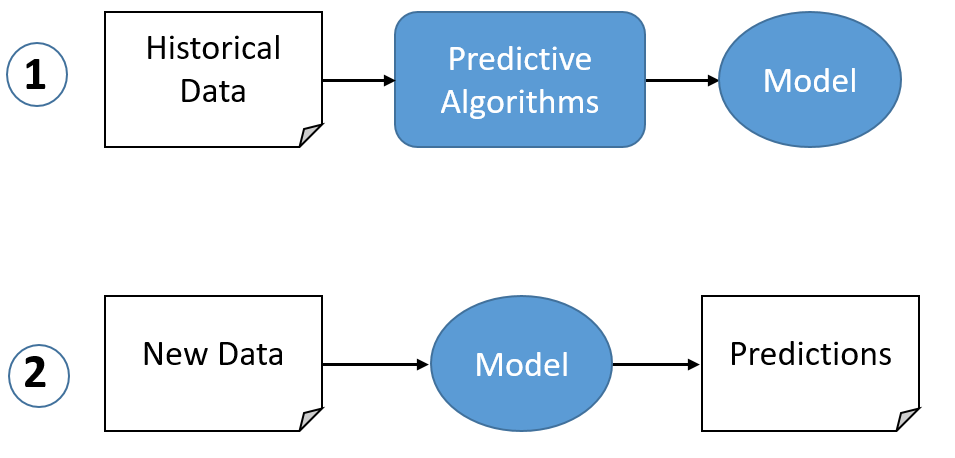
Predictive analytics works by learning the patterns that exist in your historical data, then using those patterns to predict future outcomes. But what predictive questions to ask? For example, if you need to predict if a customer will pay late, you’ll feed data samples from customers who paid on time and data from those who have paid late into your predictive analytics algorithm.
By addressing these types of questions, predictive analytics empowers organizations to make proactive, data-driven decisions. The ability to foresee trends, assess risks, understand influences, and choose the most effective actions makes predictive analytics an invaluable tool for staying competitive in today’s dynamic business environment.
The process of feeding in historical data for different outcomes and enabling the algorithm to learn how to predict is called the training process. Once your algorithm determines a pattern, you pass on information about a new customer and it will make a prediction. But the first step is deciding what predictive questions you want to answer.
What are Predictive Analytics Questions?
Predictive questions are inquiries aimed at uncovering potential future outcomes and probabilities based on historical and real-time data patterns. These questions are crafted to address what is likely to happen, the factors influencing certain outcomes, and the possible actions that could enhance results. Unlike descriptive or diagnostic questions, which focus on what has happened and why, predictive questions seek to provide foresight.
By leveraging statistical models, machine learning, and data analytics, predictive questions can help organizations anticipate shifts, manage risks, and make data-driven decisions that are forward-looking. In essence, predictive questions transform past and present insights into actionable forecasts, allowing businesses to strategize proactively.
Which Type of Questions Does Predictive Analytics Address?
Predictive analytics is a powerful tool that helps organizations anticipate and prepare for future outcomes by analyzing patterns in historical and real-time data. This type of analytics goes beyond simply reporting on what has happened—it enables businesses to understand what is likely to happen next and take proactive steps. Predictive analytics addresses several key questions that are crucial for strategic decision-making:
What is likely to happen in the future?
Predictive analytics provides forecasts for future events, such as sales trends, seasonal demand, and market shifts. By modeling historical data and current trends, businesses can predict what is probable, allowing them to prepare in advance. For instance, retailers might predict a surge in demand during the holiday season and adjust inventory accordingly.
What is the probability of a specific event?
Through probability modeling, predictive analytics estimates the likelihood of various outcomes. These insights are essential for risk management and operational planning. For example, a bank might use predictive analytics to assess the likelihood of loan defaults, allowing them to implement measures to mitigate risk.
What factors are driving certain outcomes?
Identifying the variables that most influence specific results is another critical application of predictive analytics. By isolating key drivers, such as customer behaviors that lead to churn or factors impacting employee performance, organizations can make targeted improvements. This insight enables businesses to refine strategies and optimize resources more effectively.
How can we optimize actions for better outcomes?
Predictive analytics can simulate different scenarios to suggest the best course of action. This question is particularly relevant for decision-makers looking to increase efficiency, improve customer satisfaction, or boost profitability. For instance, marketing teams may use predictive analytics to determine the optimal customer segments for a campaign, improving engagement and return on investment.
How do you know which predictive questions to ask?
When determining a predictive question, the rule of thumb is to base it on what you want to do with the answer.Following that logic, if we want to predict the number of late payments in a certain time frame—instead of if a particular person will pay late (as in the above example)—our predictive question should be: “How many customers will make late payments next month?”
Let’s look at a slightly more complex predictive question example. If we’re forecasting volume for a call center, our question might be: “How many calls will I get tomorrow?” That is a forecasting/regression question (like the one in the example above). However, we could also ask a binary question such as: “Will I get more than 200 calls tomorrow?” That is a classification question because the answer will either be yes or no.
The predictive question you should ask will depend on what you are going to do with the information. If you have the staff to handle 200 calls, then you will likely want to know if you’ll get 200 calls or not (so you’d ask the classification question). But if your goal is to identify how many calls you are going to get tomorrow so that you can staff accordingly, you would ask the forecasting question.
Let’s apply this rule to a different industry. If you’re in sales and your monthly goal is 250 sales referrals, you would ask a classification question such as: “Will I get 250 referrals or more next month?” But if you simply want to know your expected referral volume, without taking into consideration any monthly goals, then you’d ask the forecasting/regression question: “How many sales referrals will I get in the next month?”
Over time, you’ll be able to run multiple algorithms to pick the one that works best with your data, or even use an ensemble of algorithms. You’ll also want to regularly retrain your learning model to keep up with fluctuations in your data based on based on the time of year, what activities your business has underway, and other factors. Set a timeline—maybe once a month or once a quarter—to regularly retrain your predictive analytics learning module to update the information.